
Our podiatry practice assists you in managing foot pain and postural disorders, for adults, children, and athletes.
Thanks to a comprehensive podiatric assessment and the design of custom, direct-molded orthopedic insoles, we offer personalized solutions aimed at providing lasting pain relief, improving posture, and preventing recurrence.
The practice is equipped with static and dynamic gait analysis tools, enabling precise care based on both a clinical and functional approach.


Podiatry is a health discipline dedicated to the analysis of the foot, posture, and gait, as well as the design of custom orthopedic devices, particularly orthopedic insoles.
At Podomaitre, each patient benefits from a comprehensive and rigorous approach. The podiatrist studies how the foot interacts with the ground, both in static position and in motion. As a true support point for the body, the foot plays a key role in overall balance: a misalignment at this level can cause pain in the foot, but also in the knee, hip, or back.
Thanks to a comprehensive podiatric assessment — including a thorough clinical examination, gait analysis, and postural study — practitioners precisely identify biomechanical disorders. At Podomaitre, this expertise allows for personalized and effective solutions. Orthopedic insoles are then custom-designed to correct, compensate for, or relieve these imbalances, thereby improving comfort, posture, and movement quality.
Podiatry is for everyone: adults, seniors, growing children, and athletes. It intervenes both in the treatment of existing pain and as a preventive measure aimed at limiting the onset of musculoskeletal disorders.
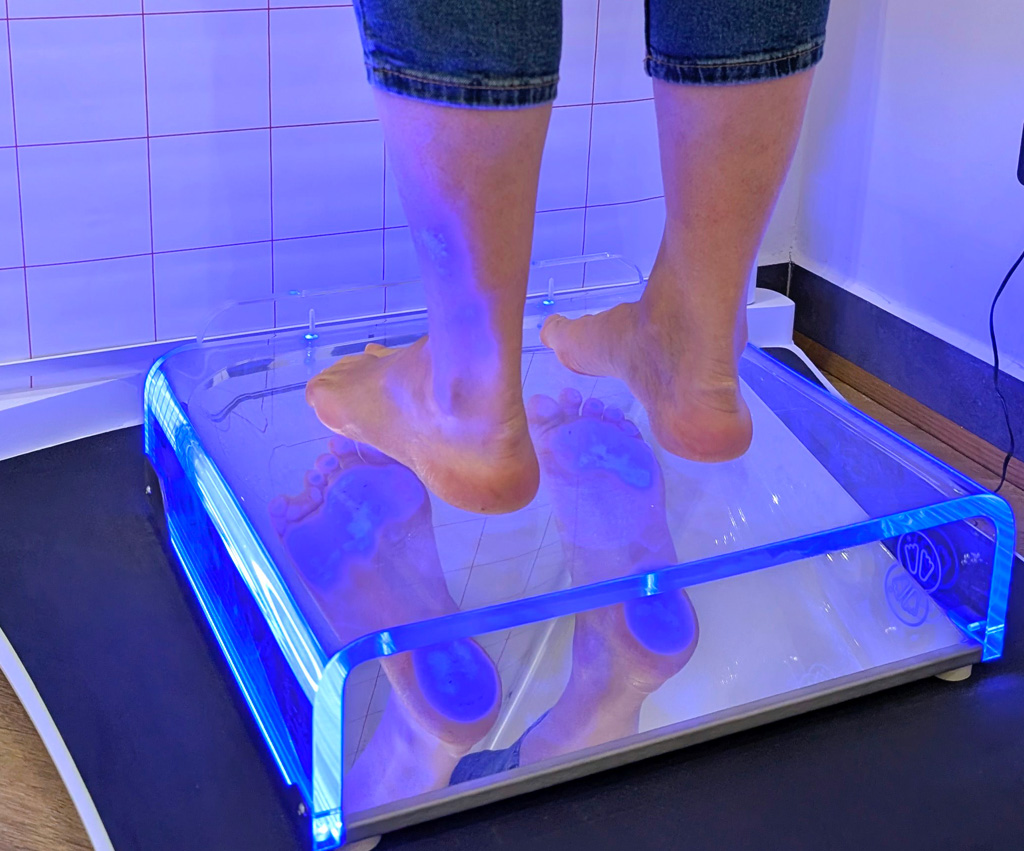
During this consultation, the podiatrist analyzes your posture, gait, and any pain you may experience. This comprehensive assessment allows for a precise definition of your needs and the characteristics of your future insoles.
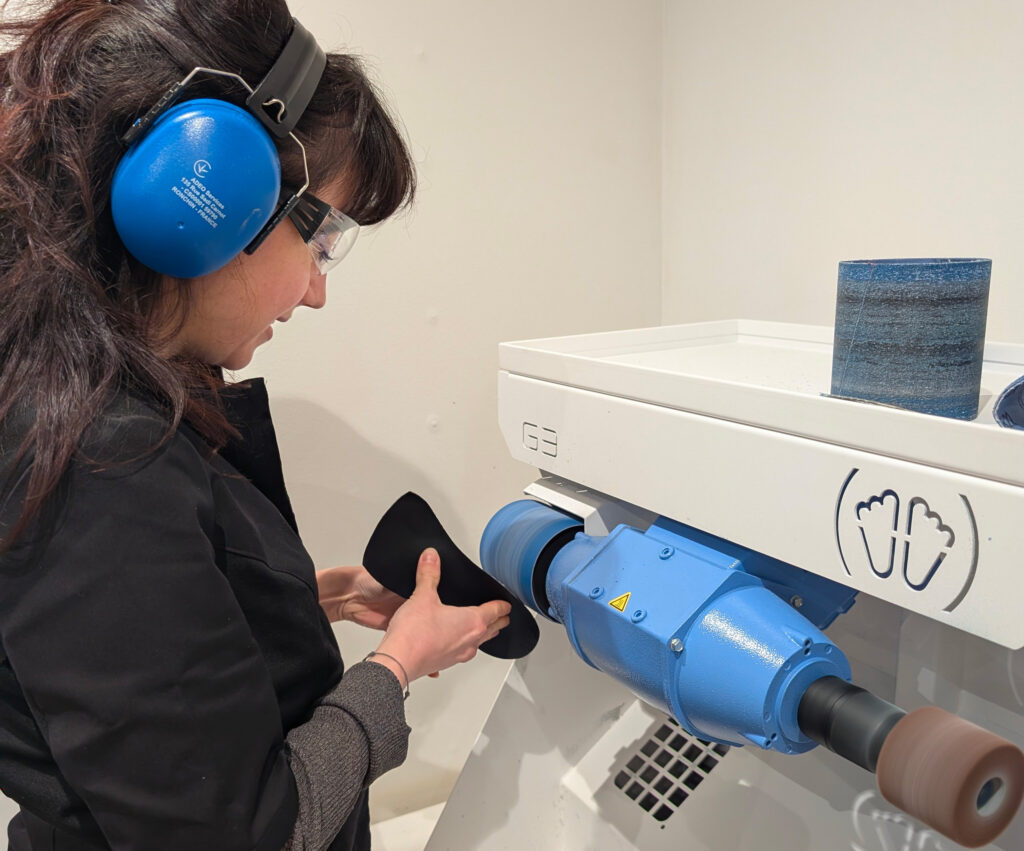
Your insoles are designed on-site, based on the measurements and observations made during the assessment. You leave with your personalized insoles at the end of the appointment.

A follow-up appointment is scheduled to check the effectiveness of the insoles, your comfort, and to make adjustments if necessary for optimal results.
It is recommended to consult preventively and as soon as pain or functional discomfort affecting the foot, posture, or gait appears. As the foot is the origin of many biomechanical imbalances, a disorder at this level can affect the entire body.
A consultation allows for early identification of support or movement anomalies, whether to relieve existing pain, prevent the worsening of a disorder, or optimize sports performance. Podiatry is for adults, children, and athletes alike, for both curative and preventive purposes.
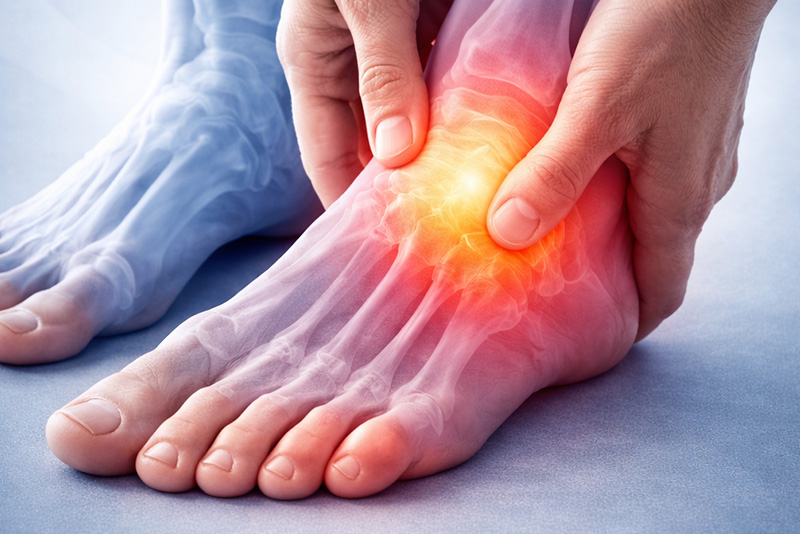
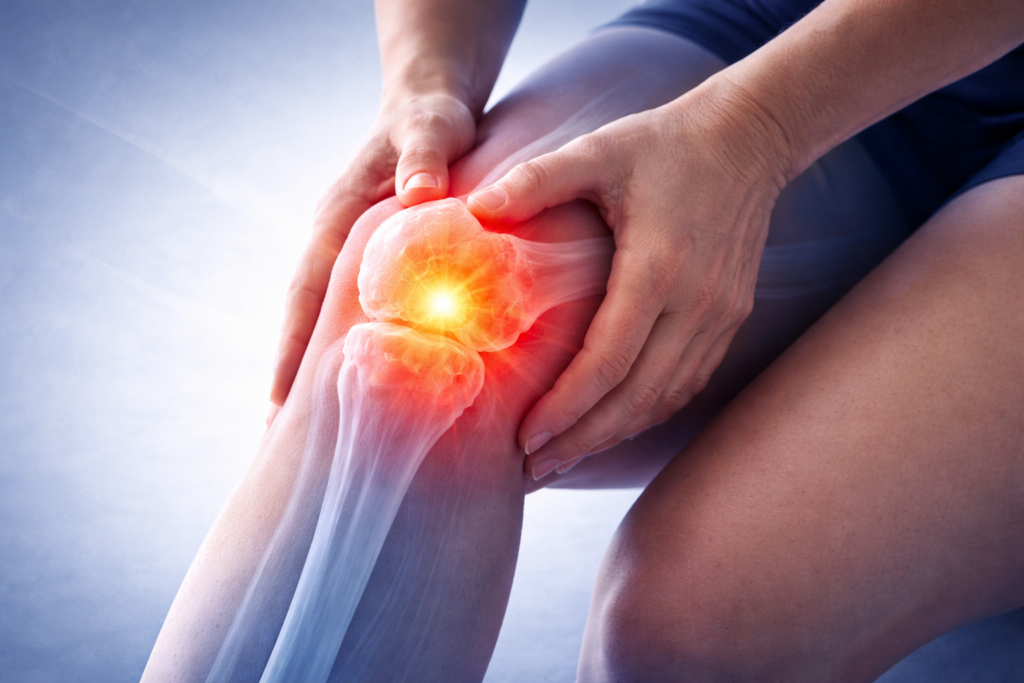


Podiatry is for everyone, regardless of age or activity level. Because support and posture evolve throughout life, appropriate care can address specific needs at each stage.
Thanks to a personalized approach and custom solutions, podiatry provides adapted responses for every age, every activity, and every lifestyle, with the goal of comfort, prevention, and pain relief.

In adulthood, constraints related to work, lifestyle habits, physical activity, or old injuries can gradually lead to imbalances in support and posture. These disorders are often the cause of chronic or recurrent pain, sometimes far from the foot, such as in the knee, hip, or back.
Podiatry allows for precise identification of these imbalances through a comprehensive podiatric assessment, including posture and gait analysis. Based on this diagnosis, the podiatrist designs custom, molded orthopedic insoles, adapted to the morphology, daily constraints, and specific needs of each patient.
For adults, podiatry aims to:
Provide lasting relief from foot and musculoskeletal pain
Improve comfort when walking and standing for prolonged periods
Correct or compensate for postural imbalances
Prevent the worsening of disorders and limit recurrence
This personalized care is part of a global functional approach, improving daily quality of life, whether in professional, athletic, or personal contexts.

In children and adolescents, the body is in full growth and support points are constantly evolving. During this period, certain imbalances may appear or worsen, without always being painful initially, but potentially having long-term repercussions on posture and locomotion.
Podiatry helps support growth by early identification of anomalies in support, gait, or posture. Thanks to an age-appropriate podiatric assessment, the podiatrist analyzes how the child stands, walks, and runs to determine if correction or support is necessary.
For children aged 5 and older and adolescents, podiatry can help to:
Support harmonious growth
Correct or limit the evolution of postural disorders (scoliosis, scoliotic posture)
Relieve pain (feet, knees, back) when present
Improve stability and coordination and limit the risk of frequent falls
Prevent the onset of disorders in adulthood through regular monitoring
Orthopedic insoles, when indicated, are custom-designed, adaptable, and regularly re-evaluated to suit the child’s growth and activities, especially sports.
Good to know:

With age, the structures of the foot and musculoskeletal system naturally evolve. Foot collapse, decreased shock absorption, changes in support, joint wear, or certain chronic conditions can lead to pain, gait instability, venous return problems, or a loss of daily comfort.
Podiatry provides personalized solutions aimed at securing gait, relieving pain, and preserving autonomy. Through a comprehensive podiatric assessment, the podiatrist analyzes posture, balance, and movement to identify areas of overload or instability.
For seniors, podiatry can help to:
Reduce foot, knee, hip, and back pain
Improve balance and gait stability
Decrease the risk of falls
Increase comfort during daily movements
Preserve autonomy and quality of life
Orthopedic insoles are custom-designed, with materials adapted for comfort and cushioning, and take into account any associated pathologies. They easily integrate into everyday shoes to support safe movement.

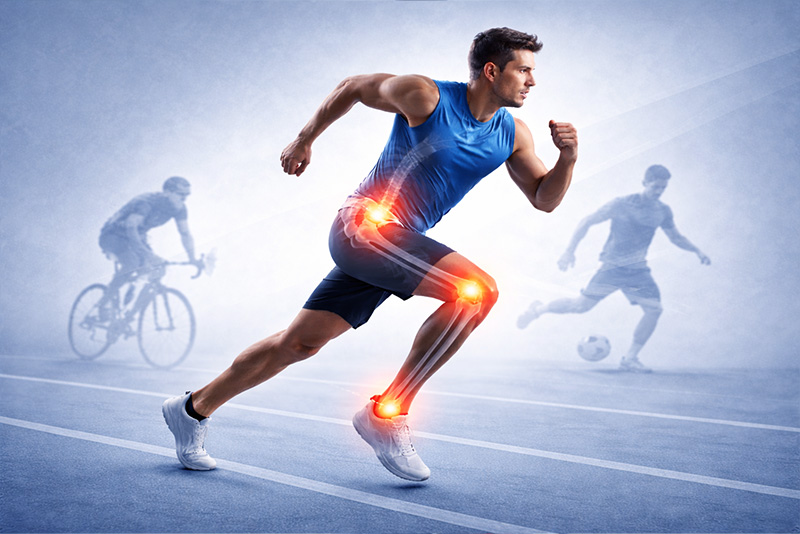
For athletes, repeated stresses and specific constraints of each discipline can put the musculoskeletal system to the test. A postural imbalance can lead to microtraumas, pain, recurrent injuries, relapses, or a decrease in performance.
Podiatry allows for a detailed analysis of the biomechanics of movement, both statically and dynamically (walking, running, sports gestures). Following a specific podiatric assessment, the health professional identifies areas of overload and alignment defects likely to disrupt the athletic movement.
For athletes, podiatry can help to:
Prevent injuries (tendinopathies, joint pain, overloads)
Relieve existing pain and promote return to activity
Optimize athletic movement and force transmission
Improve stability, balance, and movement efficiency
Support progression and performance through training and recovery advice
guide you best towards suitable health professionals.
Thermoformed insoles are custom-designed, taking into account the practiced discipline, training intensity, and shoe type (running, team sports, impact sports). The materials used are high-end (SIDAS), adapted to your activity: cushioning, stability, dynamism.
Plantar fasciitis is an inflammation of the tissue connecting the heel to the toes, often linked to excessive mechanical stress on the foot.
The podiatrist identifies imbalances in support and posture causing this overload through a precise podiatric assessment.
Custom orthopedic insoles are designed to better distribute pressure, support the arch, and reduce tension. This treatment helps to relieve pain, promote recovery, and limit recurrence, while allowing a gradual return to daily or sports activities.
A heel spur is a bony outgrowth located at the heel, generally associated with chronic mechanical overload and often linked to plantar fasciitis.
Podiatry helps identify the causes of this overload through a comprehensive podiatric assessment, analyzing support and posture.
Custom orthopedic insoles are designed to redistribute pressure, absorb heel impacts, and reduce stress on the painful area. This treatment helps to reduce pain, improve walking comfort, and prevent recurrence, by acting directly on the functional origin of the disorder.
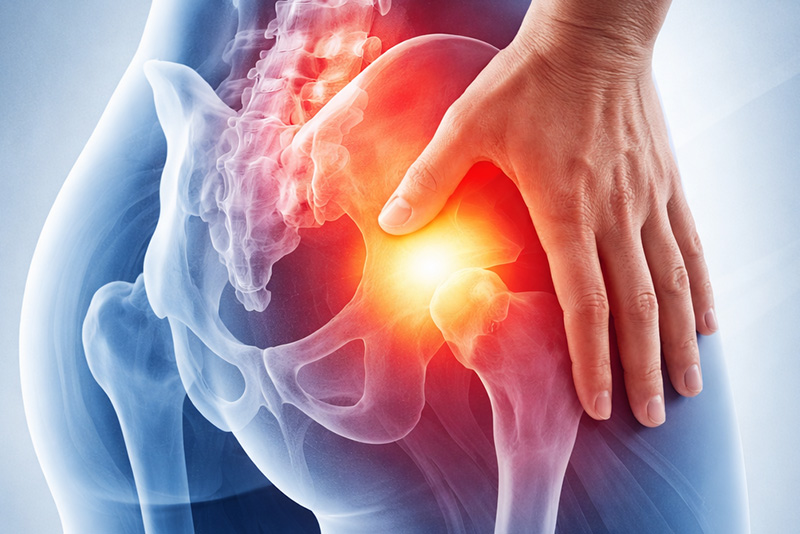
Osteoarthritis is a common joint disease that causes pain, stiffness, and functional discomfort in daily life, particularly in the feet, knees, hips, or back.
The podiatrist plays an essential role in managing this pain. Through a comprehensive podiatric assessment, they analyze your posture, gait, and areas of overpressure responsible for excessive stress on your joints.
Based on this analysis, custom orthopedic insoles are designed to:
better distribute pressure under the foot,
correct certain postural imbalances,
limit shocks and micro-traumas with each step,
reduce stress on affected joints with osteoarthritis,
improve walking comfort and daily mobility.
By reducing the mechanical stresses responsible for joint wear, insoles often lead to a significant reduction in pain and help slow the progression of osteoarthritis.
Podiatric care integrates perfectly into a global treatment, complementing medical follow-up, rehabilitation, and advice on adapted physical activity.
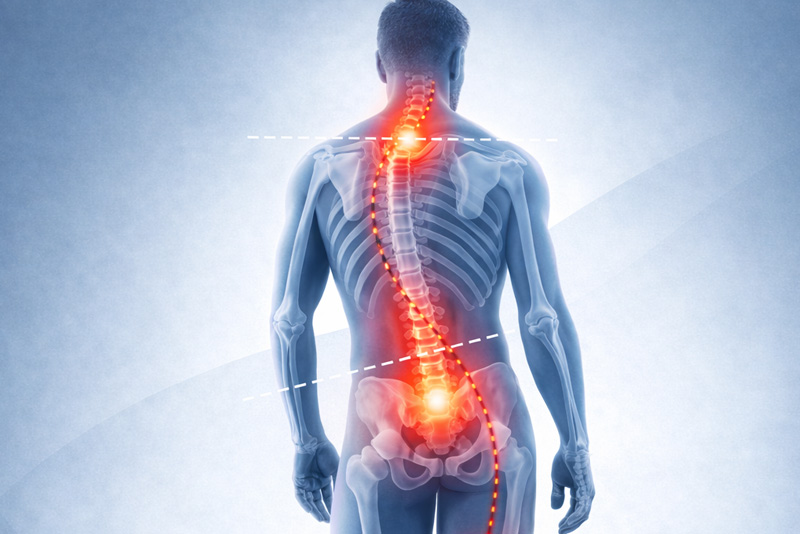
Scoliosis is a deviation of the spine that can lead to postural imbalances, back pain, muscle fatigue, and, in some cases, functional discomfort in daily life.
The podiatrist intervenes in addition to medical and orthopedic follow-up to act on one of the key factors of scoliosis: posture and ground support.
During the podiatric assessment, they precisely study your static (standing position) and dynamic (walking) posture to identify imbalances likely to increase stress on the spine.
Custom orthopedic insoles specifically allow for:
rebalancing plantar support,
correcting certain pelvic tilts,
improving overall body alignment,
reducing muscle tension,
relieving back and lumbar pain,
promoting better walking stability.
Without replacing other treatments (medical follow-up, physiotherapy, corset when necessary), insoles are a valuable aid to improve comfort, limit postural compensations, and provide long-term support for people with scoliosis.
Runner’s knee syndrome, also known as iliotibial band syndrome (ITBS), is a common cause of pain on the outside of the knee, particularly in runners and athletes performing repetitive activities.
This pain is linked to excessive friction of the iliotibial band against the femur, often favored by biomechanical imbalances of the lower limb (foot, ankle, knee, pelvis).
The podiatrist intervenes to analyze these imbalances during a comprehensive podiatric assessment, including the study of posture, gait, and, if necessary, running.
Custom orthopedic insoles specifically allow for:
correcting certain abnormal alignments of the foot and leg,
limiting excessive movements responsible for tension on the iliotibial band,
improving stability and weight distribution,
reducing mechanical stress at the knee,
decreasing inflammation related to repeated friction,
relieving pain during sports activity and daily life,
preventing recurrence.
Combined with a rehabilitation program, adaptation of training, and footwear advice, insoles are a key element for treatment.
Sever’s disease is a common cause of heel pain in children and adolescents during growth, especially in young athletes. It is linked to inflammation of the growth plate of the calcaneus (heel bone), subjected to significant mechanical stress.
The podiatrist intervenes to identify the factors that promote these excessive stresses: posture, type of support, gait, foot morphology, sports practices, or unsuitable footwear.
During the podiatric assessment, these elements are analyzed to propose adapted and personalized care.
Custom orthopedic insoles specifically allow for:
cushioning shocks at the heel,
reducing traction on the painful area,
better distributing foot pressure,
correcting any static disorders,
quickly relieving pain during walking and sports,
promoting a gradual and safe return to activities.
Combined with relative rest, adaptation of sports activities, and footwear advice, insoles are an effective treatment to relieve symptoms and support the child until the end of growth.
Morton’s neuroma is a painful foot condition caused by compression of a nerve between the toes, most commonly between the third and fourth. It manifests as sharp pain, burning sensations, shooting pain, or “electric shock” feelings in the forefoot, sometimes accompanied by numbness.
The podiatrist plays a central role in managing this condition. During the podiatric assessment, they analyze your gait, the distribution of your foot pressure, and your foot morphology to identify factors promoting nerve compression (overpressure, static disorders, unsuitable footwear, etc.).
Custom orthopedic insoles specifically allow for:
reducing pressure on the forefoot,
slightly spreading the metatarsal heads to release the compressed nerve,
improving load distribution during walking,
correcting certain biomechanical imbalances,
significantly reducing daily pain,
preventing recurrence.
Combined with footwear advice and, if necessary, complementary medical follow-up, podiatric care can in many cases prevent the worsening of symptoms and sustainably improve walking comfort.
Patellofemoral pain syndrome, also known as runner’s knee, refers to pain located at the front of the knee, around or behind the kneecap. It frequently affects athletes, adolescents, and individuals with postural or biomechanical imbalances.
This pain often appears when going up or down stairs, as well as during prolonged sitting.
The podiatrist intervenes to analyze the origin of these imbalances through a comprehensive podiatric assessment, including the study of posture and gait.
Custom orthopedic insoles specifically allow for:
correcting certain abnormal axes of the foot and leg,
improving lower limb alignment,
reducing stress on the knee joint,
stabilizing support during walking and running,
decreasing friction and pressure at the kneecap,
providing lasting relief from anterior knee pain.
Combined with rehabilitation, adaptation of physical activity, and medical follow-up, podiatric care effectively contributes to pain reduction and prevention of recurrence.
Hallux valgus is a deviation of the big toe, often linked to imbalances in foot support and mechanics, which can lead to pain, inflammation, and difficulty walking.
Podiatry allows for precise analysis of these imbalances through a comprehensive podiatric assessment.
Custom orthopedic insoles are designed to improve weight distribution, limit stress on the forefoot, and reduce tensions responsible for pain. Without correcting the bone deformity, podiatry helps to relieve symptoms, improve daily comfort, and slow the progression of associated functional disorders.
Metatarsalgia refers to burning or warming sensations in the forefoot, often caused by poor weight distribution or excessive stress on the metatarsal heads.
Clinical examination can identify the origin of these overloads through a comprehensive podiatric assessment.
Custom orthopedic insoles are designed to better distribute loads and thus relieve the forefoot and improve overall foot mechanics. This treatment helps to reduce pain, regain better walking comfort, and prevent the worsening or recurrence of symptoms.
Achilles tendinitis is an inflammation of the tendon often linked to excessive mechanical stress, poor support, postural imbalance, or regular sports activity.
Podiatry helps identify these factors through a precise podiatric assessment.
Custom orthopedic insoles are designed to correct support imbalances and reduce tension on the Achilles tendon thanks to cushioning materials that limit mechanical stress and promote healing.
This treatment helps to relieve pain, promote recovery, and prevent recurrence.
Flat foot and high arch foot are foot morphologies that can lead to poor weight distribution and excessive stress on certain areas, causing pain in the foot but also in the knee, hip, or back.
Podiatry allows for precise analysis of these imbalances through a comprehensive podiatric assessment.
Custom orthopedic insoles are designed to support or accompany the arch, improve load distribution, and optimize foot mechanics. This treatment helps to reduce pain, improve walking comfort, and prevent the onset or worsening of associated postural disorders.
Postural lower back pain is often linked to imbalances in body support and alignment, which can originate in the feet.
Podiatry helps identify these imbalances through a comprehensive podiatric assessment, analyzing posture and gait.
Custom orthopedic insoles are designed to correct or compensate for support disorders, improve body alignment, and reduce stress on the spine. This treatment helps to relieve lower back pain, improve daily comfort, and prevent recurrence, by acting on the functional cause of the disorder.
Leg length discrepancies, even minimal ones, can lead to postural imbalances responsible for pain in the hips, back, or knees.
Podiatry allows for precise identification and evaluation of these differences through a comprehensive podiatric assessment, including posture and gait analysis.
Custom orthopedic insoles, incorporating adapted compensation if necessary, help rebalance support and improve body alignment. This treatment helps to reduce pain, improve walking stability, and prevent the worsening of associated postural disorders.
Podiatry is a health discipline specializing in the analysis of the foot, posture, and gait, as well as the design of custom orthopedic insoles aimed at correcting or compensating for biomechanical imbalances.
Podiatry serves to relieve pain, improve posture, optimize gait, and prevent the onset or worsening of musculoskeletal disorders, not only in the feet but also in the knees, hips, or back.
It is advisable to consult in case of persistent pain, discomfort when walking, postural disorders, sports-related pain, or during growth in children. Consultation can be curative or preventive.
No. Podiatry is for everyone: children, adolescents, adults, seniors, and athletes, regardless of age and activity level.
No. Orthopedic insoles can also act on pain located in the knee, hip, or back, when these are linked to an imbalance in support or posture.
Yes. In children aged 5 and older, orthopedic insoles can support growth, correct certain support disorders, and prevent the onset of imbalances in adulthood. They are adapted and regularly re-evaluated.
No. Orthopedic insoles are evolutionary. They can be adjusted or renewed based on the evolution of symptoms, growth, activity, or wear.
An adaptation period is generally necessary, often from a few days to a few weeks, depending on the individual and the correction provided.
There is coverage by your mandatory scheme (e.g., Social Security) and by your supplementary insurance if you have a prescription from a general practitioner or specialist.
It is also possible to benefit from this coverage for the renewal of your equipment if your prescription is less than 3 years old.
Yes. A podiatric assessment is essential to analyze posture, gait, and foot support, in order to design insoles truly adapted to the patient’s needs.
Home » Podiatric Orthotist
Would you like to have custom orthopedic insoles made?